
Depression counselling
Is depression holding you hostage?
What is depression?
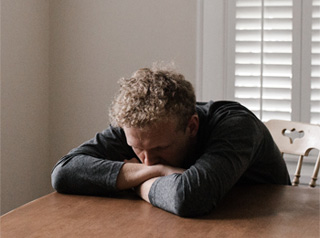 Depression is a mood disorder that causes a persistent feeling of sadness and loss of interest and can interfere with your daily functioning.
It is an illness that negatively affects how you feel, the way you think and how you act.
Depression is a mood disorder that causes a persistent feeling of sadness and loss of interest and can interfere with your daily functioning.
It is an illness that negatively affects how you feel, the way you think and how you act.
Depression can hit anyone at any time: men, women, old, young, married, single, rich, poor, anyone! It affects different people in different ways, but the common factor is a loss of enjoyment in life coupled with a loss of hope.
It can vary in intensity from mild (a bit down), moderate (struggle to get through the day) to severe (struggle to get out of bed). It is often part of a larger pattern of ups-and-downs. (Extreme ups-and-downs may be bi-polar disorder.)
Depression Symptoms
Symptoms usually build up over a long time through repeated stress, relationship problems, grief, disappointments or setbacks. They can also sneak up unnoticed leading to long-term, low-grade depression (clinically known as dysthymia).
Symptoms may vary and include the following:
- Unpleasant physical sensations (empty, weighted down, broken, paniced etc)
- Frequent sadness or tearfulness
- Loss of interest and pleasure in life
- Loss of meaning and feelings of hopelessness
- Loneliness or loss of connection
- Foggy thinking or poor concentration
- Thoughts of death or suicide
Other symptoms include:
- Weight gain or loss
- Changes in sleep patterns
- Changes in sex drive
- Anxiety or irritability
- Loss of confidence
Clinical Depression
Everyone feels down from time to time. However, if a low mood hangs around for more than a couple of weeks, it can play havoc with brain chemistry and body hormones. These changes have a serious impact on emotional, mental and physical wellbeing. When such widespread changes 'lock in' it can be very difficult to get out of this without assistance. Indeed, it can seem a bit like quicksand — the more one struggles, the deeper one sinks. This is termed clinical depression or (Major Depressive Disorder). It's time to reach out for help!
Over time it can also be very frightening and very painful. It can feel like you are cut off from the world, sometimes described as like being in fog, trapped in greyness, darkness, a black hole or a cave. Many people struggle to go on doing what they need to do, their depression largely unnoticed by those around them, while immersed in feelings of hopelessness and pointlessness — very debilitating. Your depressed brain may even trick you into thinking it's to late, it's pointless anyhow, or nothing can be done, but it's not too late!
Treatment
The good news is that depression is normally responsive to therapy. Options include : Self-help (books, websites, videos, aps etc), antidepressant medication (prescribed by a GP), or therapy. Psychotherapy can help even complex or severe cases in many ways including:
- Working with a professional who has a deep understanding of the disorder
- Understand the underlying biological, relational, emotional and thinking patterns
- Making sense of whatever is going on in your life
- Practical help in making constructive change
- Ongoing support to help you recover at your own pace
- Improving communication and relationships
- Addressing issues from the past
- Reconnect with your hopes and dreams
- Rediscover hope and joy
Why Auckland Therapy
Depression is robbing hundreds of New Zealanders of their lives each year and many thousands more of the joy of living including far too many teenagers. More New Zealanders die of suicide each year than die on the roads. As psychotherapists, we recognise the agony of depression and a deep understanding of its complex causes.
Our team have the skill, experience, dedication and passion for working with and stand by you on the road to recovery and beyond. Both our caring and our training in unconscious process, human development, relationship dynamics, as well as the interplay of feelings, thoughts and behaviours make the difference.